Property Management System: How It Saves Time for Property Owners and Brokers
A real estate office managing 30 units, or a property owner with 5 rented apartments, often faces the same daily challenges: scattered rental due dates, WhatsApp messages about maintenance requests getting lost, and a lease that needs to be renewed but was completely forgotten.
The result? Time is wasted on manual follow-ups instead of being invested in growing the business.
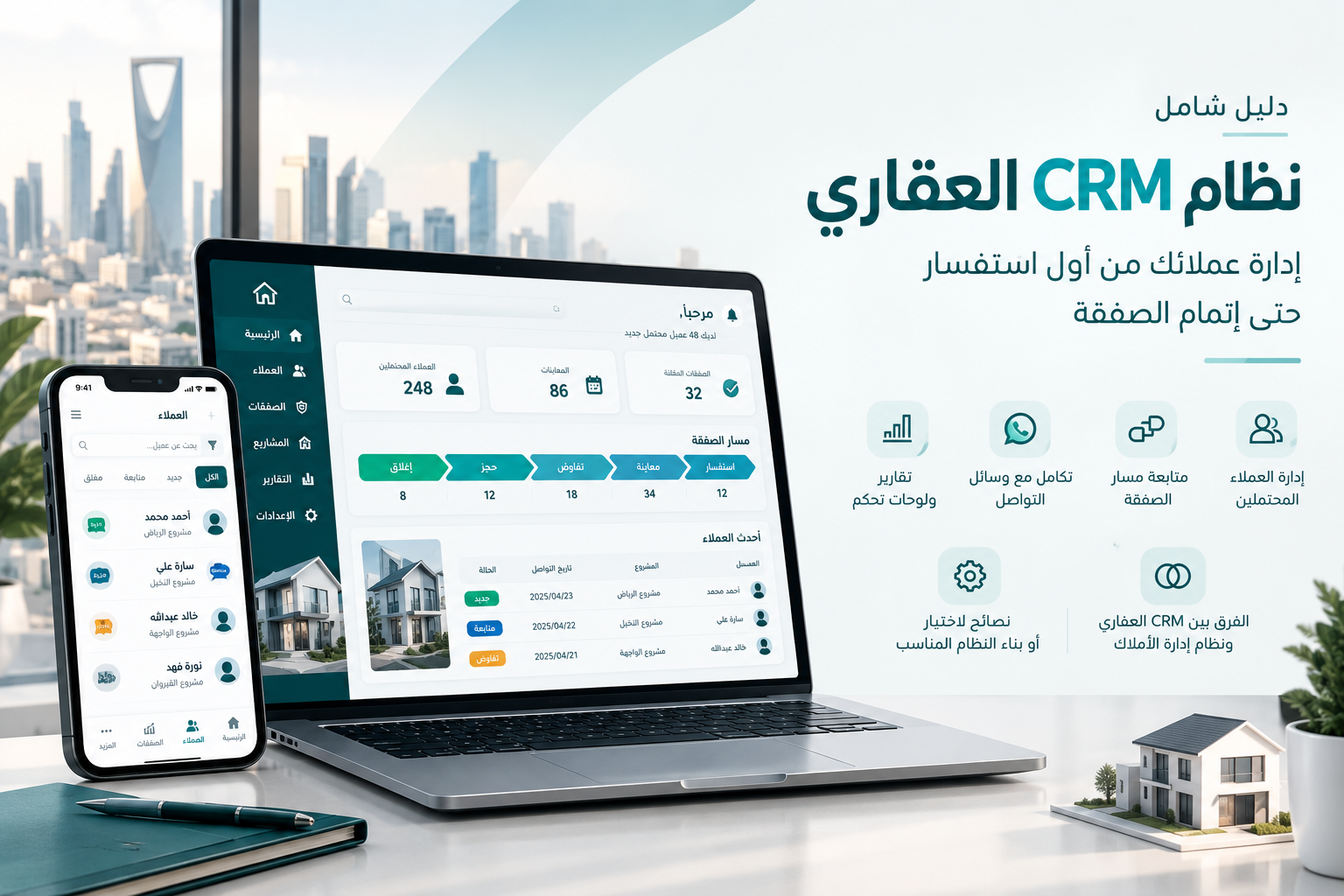
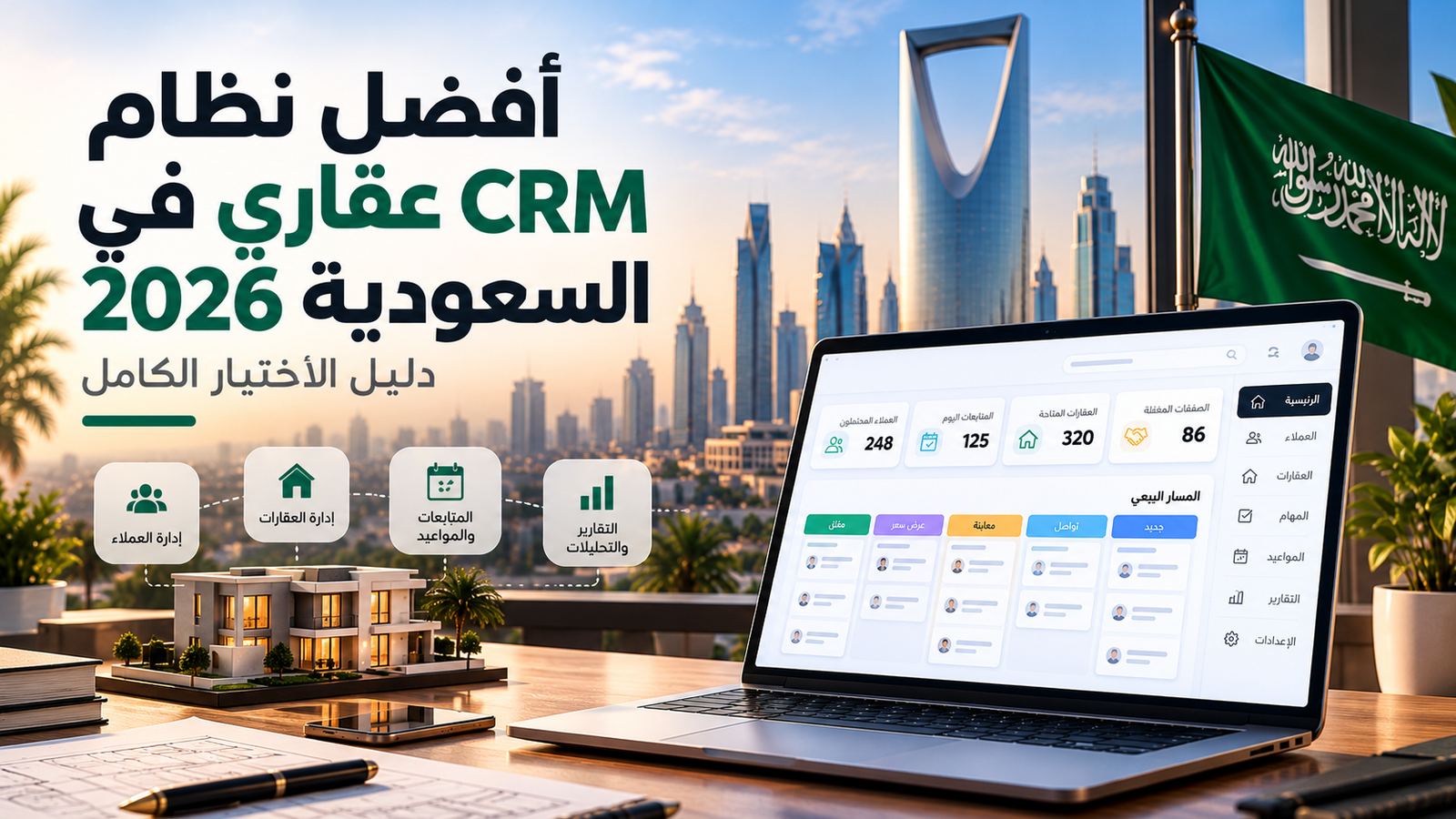
A property management system is designed specifically to solve this problem. It brings property, tenant, lease, and collection data together in one place and handles daily follow-ups on your behalf.
We previously discussed real estate platform development, which targets the general audience looking for a property to buy or rent. A property management system is completely different in terms of its purpose:
| Property Listing Platform | Property Management System |
|---|
Users | People searching for properties | Property owners, brokers, and real estate teams |
Goal | Showcase properties and attract inquiries | Manage properties after renting or selling |
Content | Photos, prices, and specifications | Contracts, collections, maintenance, and reports |
Many real estate offices actually need both: a platform that attracts customers and a system that manages the relationship once they become tenants or property owners.
Instead of searching through scattered Excel files, every unit, its owner, current tenant, and complete history are stored in one record that any authorized employee can access instantly.
The system notifies you well before a lease expires, instead of discovering the issue after it is too late.
This is particularly important in Saudi Arabia, where rental contracts need to be documented through Ejar, the platform affiliated with the Real Estate General Authority. Each contract has specific dates and requirements that need to be tracked accurately.
[EXTERNAL LINK: Official Ejar platform page covering rental contract documentation and renewal requirements]
Reminding tenants about upcoming payments and recording every collection transaction as soon as it occurs can significantly reduce late payments compared with manual follow-ups.
Maintenance Request Management
Instead of having a maintenance request buried in a WhatsApp conversation, it becomes an official request with a clear status such as Open, In Progress, or Completed, and can be assigned directly to the appropriate maintenance team.
Property owners managing multiple units can see key figures at a glance: occupancy rate, total collections, vacant units, and expenses — without manually compiling the numbers every month.
An owner who does not want to be responsible for every daily detail needs a system that provides a clear overview whenever they need it, not only when a problem occurs.
A mobile-friendly application or dashboard showing the real-time status of their properties can eliminate countless calls and follow-ups that would otherwise consume their time unnecessarily.
A real estate office typically manages a larger number of properties and multiple owners simultaneously.
This is where different user permissions — such as receptionist, collection officer, and branch manager — help prevent confusion. Each employee can access only the information relevant to their role, while management maintains a complete overview of the business.
In the Al-Suqoor Real Estate project (alsqoor-realestate.sa), we went beyond simply displaying properties to the public. We built a dashboard that allows the brokerage team to track each property from the moment it is added until the transaction is completed, making property management an integrated part of the website rather than a separate process.
In the Aqdi project (aqdi.sa), which focuses on electronic rental contract documentation through the Ejar network, we focused on simplifying the documentation and tracking process — a key component of any integrated property management system.
Using a general ERP system that isn't designed for real estate: General business management systems often lack important features such as lease tracking and renewal management because they are not built around real estate workflows.
No mobile access for property owners: Property owners are not going to open a computer every time they want to check their property. A desktop-only system limits its practical value.
Ignoring multi-level user permissions: A real estate office with multiple employees and no clear permissions structure puts sensitive data at risk and makes accountability more difficult.
Ignoring Ejar requirements: A system that does not take official documentation requirements into consideration forces the team to manually search for information whenever it is needed instead of having it readily available within the system.
No ready-made reports: If the owner or management team needs hours to prepare a monthly report, the system is failing at its primary purpose: saving time.
Whether you manage a single property or an entire real estate portfolio, the SubCode team is ready to build a property management system tailored to the actual size and needs of your business, based on real-world experience with Saudi real estate projects.
A property listing platform is designed for people searching for properties, while a property management system is an internal tool for owners or real estate offices to manage contracts, collections, and maintenance after a property has been rented or sold.
Many projects need both.
Yes, although the benefits become more significant as the number of units increases.
An owner with a single property can still benefit from automatic reminders for lease renewals and rent payments, but owners with larger portfolios will experience a much greater impact on time savings.
We take Ejar compatibility requirements into consideration during the planning stage, based on the nature and requirements of each project.
This depends on the project's requirements. If the owner needs quick access from a mobile device, we can build a dedicated mobile application or a responsive dashboard accessible from any device.
The timeline depends on the required features, such as contracts, collections, maintenance, and reports.
After understanding the scope of your project, we provide a clear development timeline.